1. Referrals: views from the other side

Guest speakers from other specialties join us for this one. We're here to sell: how do we get them to buy? What actually makes a referral land well versus poorly, and why a speciality might be hesitant to accept yours, from their side of the phone call.
Featuring:
- Dr Zachary Ferguson — Acute Medical Consultant
- Mr Andrew Pineda Turner — Urology Registrar
** Due to scheduling and job rotas, best efforts will be made to accommodate guest speakers. We hope you understand if they cannot make it.
2. A complex morbidity and mortality case

We explore the concept of logical decision making, and why safe documentation is critical.
Perspectives from both the SHO, and from senior members of staff.
3. CXR interpretation made easy
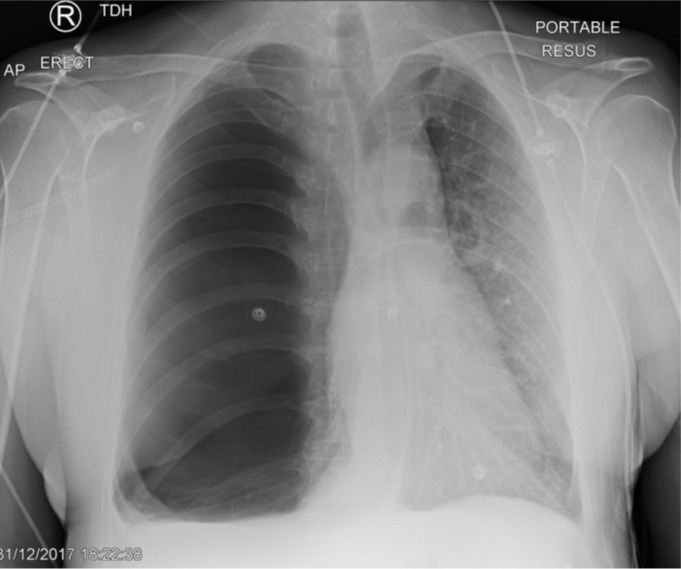
The beginner's guide to understanding and interpreting something you'll likely read every day. Chest pain, shortness of breath, a dodgy respiratory exam: chest X-rays get done all day, every day in the ED. This module covers the fundamental principles behind reading them, built for speed and confidence rather than a radiologist's depth.
4. Lactate — avoiding the lacto-bolo reflex
Stop. Trying. To. Dissolve. Lactate.
You'll be handed a lot of gas results in a shift, and a raised lactate raises the question of whether to be concerned every time. This module covers how to interpret it properly rather than reflexively fluid-bolusing every abnormal number.
5. US-guided cannulation — core principles to guide your US journey
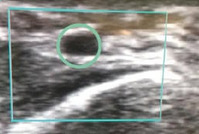
The commonest and easiest skill to indulge in when in EM, and why some Greek dude still causes you problems millennia later. Ultrasound-guided cannulation is the go-to when the front-door team can't obtain IV access, and a common one to see attempted and fail, often for reasons that are obvious in hindsight. This module works through those failure points so you become a genuinely competent DIVA (Designated Intra-Venous Access).
6. Head and neck trauma

"This patient fell over and hit their head. Do they need a CT?" You'll be asked this question, in some form, on a near-daily basis. This module covers the indications for imaging, when confidently not to image, and where the clinical decision rules actually came from, including what the underlying literature really says, not just the rule of thumb.
7. UGIB — how to handle catastrophe

What happens when your patient is, literally, bleeding out in front of you.
You are the resuscitationist. You need to be in control. This module explores a case of how it can go so poorly, so the next time you face it, you're prepared rather than caught flat-footed.